
Best Time to Visit Patagonia for Hiking: Compare Your Options in 2026
Find the best time to visit Patagonia for hiking by your route. Compare access, trail nights, daylight, service windows and a usable weather reserve.
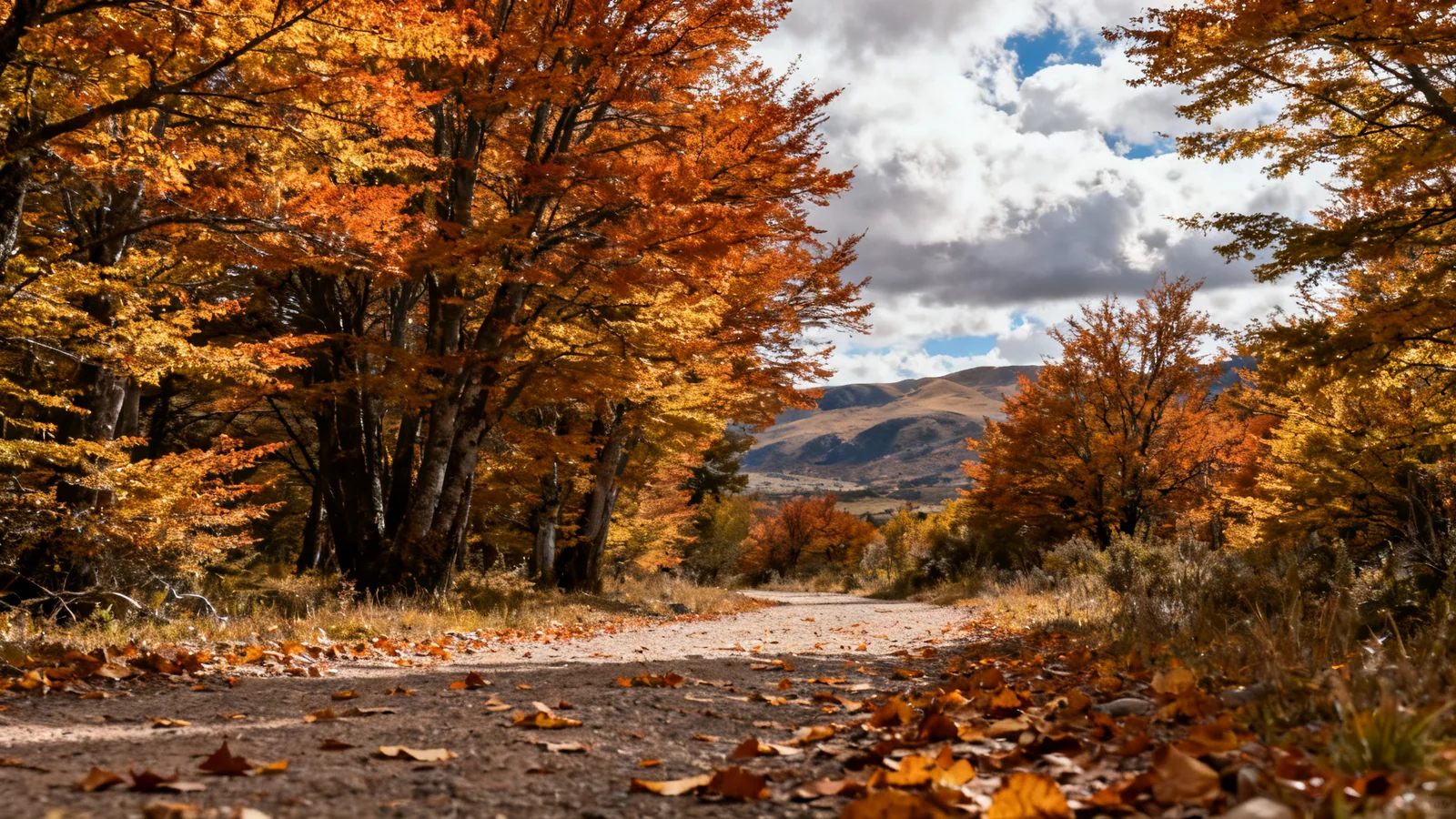
Illustrative scene: a Patagonian woodland path in autumn with patchy cloud and distant foothills.
Keep the planning layers distinct
The chosen Patagonia season must fit both the route rules and the services purchased.
Complete planning records
Layer: Season window
- What it represents
- A route-specific period to investigate
- Decision to verify
- Not proof of daily opening
Layer: Current access
- What it represents
- The park decision for the stage
- Decision to verify
- Check close to departure
Layer: Service window
- What it represents
- Real nights, guides and transport
- Decision to verify
- Secure the full itinerary
Primary route or operator reference · · Original table; cited factual basis. No source artwork copied.
The best time to visit Patagonia for hiking starts with your route. Check current access, then secure the nights and transport it needs. For a first southern Patagonia trip, compare warmer-season W, O and El Chalten options. A general season label cannot promise an open trail or clear view.
Choose the route before fixing dates. A town-based stay can reorder day hikes more readily than a linked circuit with fixed beds. A winter visit needs a supported plan and current park advice. Moving a summer itinerary into another month is not enough.
Date choice: find the operating window for your real route, confirm every key service, and keep a reserve before the fixed exit. Use the seasonal pattern to narrow the search, then use current park rules and local forecasts to choose the day.
Best time to visit Patagonia for hiking: route first
APN's Los Glaciares overview, checked October 2026, gives September to April as its general advised visitor season. It also notes colder temperatures and snow-related access difficulty from May into October, and strong summer winds. These are broad park patterns, not a promise that every northern hike works throughout that window.
For Torres del Paine, the chosen trekking programme and current CONAF decision need to agree. Providers publish seasonal W and O products. But their dates do not override an official closure or route need. Check the exact stages and overnight products before treating a month as available.
| Date question | Useful planning response | What still needs checking |
|---|---|---|
| A first trip with longer walking days | Investigate the southern warmer-season routes | Complete stage access and sleeping sequence |
| Flexible El Chalten day hikes | Choose enough full days at the town base | Current trail advice and guide change terms |
| A continuous W | Match operating dates with all required nights | Boat, road, guide and daily endpoints |
| The O circuit | Choose only an allowed current circuit window | Remote stages, pass rule and full bookings |
| A colder-season visit | Request an exact operated plan | Current guide rules, route and service limits |
Scroll for more →
The best month is therefore a useful fit rather than a universal ranking. Choose a window with a complete route. A preferred date is less useful if a bed or transport link cannot be secured.
Compare the southern seasons
Southern Patagonia is in the Southern Hemisphere. So the seasonal rhythm is opposite to northern Europe and North America. December to February is the summer part of the calendar, while June to August is winter. The transitions matter because daylight, conditions and operated services change at different rates.
The following table is an editorial planning framework. It does not forecast temperatures, count visitors or declare route opening. Use the real park and supplier sources to resolve those facts for the travel dates.
| Calendar window | Main question for a hiking trip | Sensible route check |
|---|---|---|
| September and October | Is the planned route operating, with right conditions | Do not infer access from a broad spring label |
| November and December | Can the complete route plan and services be secured | Confirm nights before outer flights |
| January and February | Does the daily route fit the party and weather | Longer daylight does not remove wind or trail limits |
| March and April | Does the route finish within each provider's operating period | Check the last nights, boat and guide rules |
| May to August | What exact colder-season plan is supported | Avoid assuming the summer route is available |
Scroll for more →
Spring is a planning category, not an opening date
A route can be listed for a broad spring period while a current condition still limits access. Ask for the chosen trail's status and the seller's confirmed start date. A town getting visitors does not prove every mountain route as open.
This matters especially for a linked trek. All required overnight stops must run on the chosen nights, and the through stages must be allowed. One open property cannot make an incomplete sequence workable.
Summer still needs a weather plan
APN's overview explicitly describes strong summer winds in Los Glaciares. Do not equate a warmer calendar period with calm hiking conditions. Use the current forecast and park advice. Set the daily goal and turnaround from them.
Longer daylight can give more planning room than winter. But it does not cancel a trail cutoff or the time required for a full descent. Use that room to avoid rushing, not to add every optional branch to an already demanding day.
Autumn dates must fit the exit
An attractive later-season date still needs the final beds and transport to run. Check the entire sequence, including the last boat or road service. Do not reserve the first night on the assumption that the route remains supported through the end.
Ask whether a changed opening or closing period affects guide coverage. A package's published price-validity window can answer a different question from the park's route rules. Resolve the real service and access combination for your dates.
Winter is a different trip design
Do not take a standard summer stage table and assume the same walking plan is right in winter. CONAF's 2026 advice describes winter ice and snow. Follow the rangers' advice and ask about the supported services.
Request a route-specific guided or supported plan where required, with the real nights and transport stated. If the provider cannot confirm the planned goal, choose another current offering. Avoid filling the gap with a summer brochure.
Torres del Paine and El Chalten differ
The date decision changes with the walking pattern. A W or O route has linked nights and transport around it. An El Chalten room stay uses daily routes with town returns. The order can change when the purchased services allow it.
Use the wider Patagonia hiking guide to choose that pattern before settling the month. A day-base holiday and continuous circuit should not be compared from weather alone. Their booking constraints also shape flexibility.
A town base and a weather reserve
An extra El Chalten day can provide another hiking chance. Keep it before the final road departure. It does not guarantee clear visibility. Keep the reserve at the walking base. It cannot restore a trail day after you leave the area.
If booking a guide, ask whether the walking date can move. A flexible room does not make the guide or transfer flexible. Read the notice period and availability terms before assuming the route can be reordered each morning.
Linked nights and a changed goal
A W day can sometimes shorten a viewpoint while retaining the next bed, subject to current rules. A closed through link can affect the entire sequence. Ask the seller to distinguish those two situations in its change process.
An O circuit adds remote stages that make the whole chain especially key. Do not treat a spare calendar day as proof that a rest night or alternate stage is available. The extra night and onward route need booking record.
The October 2026 circuit notice
The official Pases Parques listing, checked October 2026, carries a Paine Massif circuit closure through 31 October. Reopening is subject to review. A later-season O programme does not prove present opening. Use the current park decision.
This notice concerns the O circuit. It does not prove that all W stages or day routes are open or closed. Confirm the exact route plan and current local rule. A printed map showing a trail cannot override the present notice.
A conditional date needs a conditional booking plan
Ask the seller what happens if the proposed reopening does not occur as expected. The answer should include the decision timing, possible replacement and cancellation terms. Do not assume either a free alternative or an automatic refund without reading the real conditions.
Keep outer flights flexible while a critical route decision remains unresolved. If that flexibility is too costly or impractical, consider an independently checked alternative structure. The wider holiday should not depend on turning a conditional opening into a certainty.
Daylight and full return time
The seasonal daylight pattern can affect how much time is available. But the route's current hours and your complete return remain the useful limits. Start with the named walking endpoints and ask the park or guide for the day's rule. Do not substitute a general sunset figure for that advice.
For a long out-and-back hike, the ascent is only part of the day. Include the descent, town approach and any vehicle link afterwards. The same viewpoint can create different workloads when reached from different sleeping places.
Read one-way references as one-way
APN's northern trail brochure defines one-way walking references. Its route figures do not predict the party's complete day. Add the full return and any separate approach before deciding whether the goal fits.
The brochure warns about the steep Laguna de los Tres section in wind or rain. A summer date does not remove that warning. Use the current local advice and choose a shorter allowed goal when the full day no longer fits.
Trail cutoff and transport deadline
A trail's current access rule and a boat's reporting time are different constraints. Both must work with the day's walk. Ask for the real turnaround process rather than selecting the fastest end of an estimated walking range.
A fixed flight or long road move needs room after the final hike. Consider a gateway night between them. This gives more room for a changed walk or delayed navigation without pressure on the route decision.
Weather variability and visibility
CONAF's advice describes rapid changes and the need for right layers for rain, wind or snow. Use that as a reason to plan adaptable goals, not as a precise forecast. The local conditions near the mountain can differ from the town where you slept.
A clear forecast can help select a day, but cannot guarantee the listed view. Ask the guide how it reviews conditions and which alternative fits the same overnight plan. A useful proposal describes the changed day, rather than promising a mountain panorama regardless of conditions.
Forecasts and park decisions have different roles
A forecast estimates the weather. A park rule states route access or rules. A provider's briefing explains the useful plan under those limits. Keep those roles distinct when deciding whether to start.
Do not treat another traveller's recent photo as a current route report. A view captured yesterday can show different conditions from today's trail. The real day's advice should govern the goal and return.
Keep the shorter alternative worthwhile
Choose a lower-effort route or selected outing that still suits the party's interests. A shorter goal needs a clear start and finish. Use the same base or confirmed services where possible. The provider should explain the real route and what changes in the inclusion list.
Do not assume the alternative is automatically safe or available because it is shorter. Its own access, surface and return need a check. The purpose is a right day, rather than replacing one uncertain mountain name with another.
Access and booking constraints by route
Use the route's authority and real manager for the critical facts. APN governs Los Glaciares access, while CONAF governs Torres del Paine. Accommodation providers can prove their products and dates, but are not substitutes for the park decision.
The complete route needs both access and services. Write those statuses separately before paying. An open trail does not secure the needed night. A confirmed tent cannot open a restricted stage either.
W programme dates
Vertice's Classic W page publishes a warmer-season programme and different support choices. Checked October 2026, it is useful evidence of the service format and dates to enquire about. Its price-validity window does not guarantee inventory or every stage's present access.
Ask the seller to confirm the exact starting day, all nights and the guide plan. If the route lies near a seasonal transition, ask which current park need applies. Do not buy a guide-free version merely because the package page lists self-guided travel in general.
O programme dates
Vertice's Classic O programme gives November-to-March departures as its published seasonal design. That is separate from the current official reopening decision. Confirm the real route status and service sequence before committing to a date.
A circuit later in the season also needs its final nights and exit to fit. Do not check only the first departure. The pass stage, next bed and last road travel all belong to the same confirmed plan.
El Chalten northern routes
APN's visitor advice give current access and camping guidance. Check the northern route advice rather than applying a southern glacier-entrance timetable to a town trail.
A room stay can offer daily choice, but park entry and any named camp booking remain separate tasks. Do not use old claims of free or unreserved camping as the basis for a current route plan. Ask the manager for the real product and date.
Choose dates from your main goal
Name the route or experience that matters most, then find the operating window and available sequence. If the main goal is a continuous W, start with all its nights. If it is El Chalten day hiking, protect enough complete days at that base.
If the main aim is a lodge-led stay, ask which outings can run in the chosen period. The room may be available while a chosen walk or sailing is not. Compare the real daily choices rather than the general area season.
When the holiday dates are fixed
Start by finding a right current walking structure within those dates. Do not force a route whose required stages are unavailable or unsuitable. A shorter trek or room-based plan may meet the holiday's purpose more coherently.
Ask the seller what the best-supported options are for that period, with real routes and effort. Keep uncertain goals conditional in the written plan. The flight window should not make a closed trail appear available.
When the route is fixed
Allow the required services to set the date range. Test several allowed sequences, including direction where applicable. Then attach the outer travel once the critical nights and transport can be confirmed.
If a preferred sleeping product is unavailable, compare another date or an acceptable product at the same stop. A different sector can change the walking plan, so it needs a full review. Do not solve the date problem with a bed that the route cannot reach.
Put the weather reserve where it can work
A reserve belongs before the last departure from the walking area. Use a full day at the town base. A trek reserve needs a confirmed extra night within the allowed plan. A spare evening in another city does not restore a lost mountain day.
For fixed-base visits, leave enough room in the outing bookings to use the reserve. For linked nights, ask how the route could shift. The answer may be limited by managers, access and transport terms.
Do not spend the reserve twice
A day used for a glacier outing, shopping or travel is not a free weather day. Mark its purpose clearly. Mark its purpose honestly in the calendar. A full list of optional outings can quietly remove the flexibility you meant to preserve.
Choose which goal has priority if the reserve is needed. The family or group should understand what may be dropped. This makes the changed plan easier to accept than discovering several days depend on the same unassigned date.
A reserve is not an access guarantee
More time can offer more chances to choose a right day, but cannot open a restricted route. A route depending on a closure ending remains uncertain. Wait for the current decision before treating it as available. The alternative should have its own access check.
Similarly, a spare day does not create available guide or boat space. Confirm the service's change terms before relying on it. Useful flexibility is a property of the bookings, not only of the calendar.
Flights, road travel and season boundaries
Choose the air gateway and road chain together. A useful flight can still reach the region too late for the next service. Compare the total arrival at the walking base, with a gateway night where needed.
For Chile, investigate PNT or PUQ on the real dates. For El Chalten, investigate FTE and the road link. The airline's current result proves the flight, while the bus or transfer provider proves the ground leg.
Published routes and date-specific services
LATAM's Santiago–Puerto Natales page is a route reference. El Chalten's municipal bus page links a dated service sheet. Neither should be used as a universal timetable for every season.
Confirm the departure direction, boarding point and date with the real provider. A seasonal route may not run on the weekday you need. An airport stop can also have different terms from the town departure.
Border days in a two-country trip
The international move needs a distinct service and current passenger documents. Give it time before the next trek briefing or flight. A border crossing is not an interchangeable local transfer between hiking bases.
Check the seller's delay and change terms. If the onward trail nights are fixed, a gateway break can be more useful than a close same-day chain. Aim to arrive settled at the next walking area. Avoid counting places at the expense of usable trail time.
Comfort and the seasonal sleeping plan
Compare the sleeping product for every night, particularly near an operating transition. Check the chosen room, dorm or tent for every date. A property list alone does not confirm it. Obtain the confirmed version of the real sequence.
A supplied-camping package should state the tent and sleeping items. A dorm package should state bedding and room plan. A lodge stay should name the room category and outing terms. None of those details follows automatically from the month.
Meals on early or late dates
Ask whether the meal product you want runs with the booking. A room or pitch can be sold separately from food. Plan usable breakfast, walking food and dinner. A restaurant mentioned in a property description is not a meal booking.
Confirm dietary needs with the real provider. If a right meal cannot be established at a stop, resolve the carry-in food or another structure before travel. A seasonal transition is a poor time to rely on assumed shop stock.
Gear and carrying plan
Obtain the provider's current packing advice for the route and date. A summer programme moved into colder conditions can have a different need. This guide does not prescribe a universal kit for every stage.
Know which sleeping items are supplied at each night and which travel in your pack. Test the real load against your walking experience. A guide joins the route unless stated otherwise; it does not always carry your belongings.
Match dates to different walking abilities
The seasonal choice should support the whole party's route, not only the strongest hiker's goal. Give the seller concrete experience for each traveller and ask for the hardest required day. Include descents and consecutive walking days in that account.
A room base can allow different daily goals more readily than a through stage between camps. If one person needs a shorter route, prove supervision, pickup and reunion. A single guide may not be able to support two distant groups simultaneously.
Families
Give ages and real walking ability, and check product-specific rules. A warmer month does not change joining rules. Check the specific ice trip or trek with its provider. The real product should be named in the quote.
Protect the children's travel and rest time. A flight and long road arrival can make the first morning harder even in an advised season. A short first evening and lower-effort alternative can help the family use the full days well.
Travellers who want a gentler rhythm
Choose the daily structure and supported alternatives rather than a month listed as easy. Shorter walks, stable rooms and fewer transfers can reduce pressure. The real surfaces and access still need checking.
Ask for the full return and longest time away from the room. A short trail reached by a long drive can still be a large day. Date choice should serve that useful rhythm, not replace it as the fit test.
Compare quotes for the same seasonal plan
Give each seller the same date window, party and main route goal. State the support and sleeping preference. Ask for the current daily plan, services and change terms together.
Do not compare a starting price from one season with a dated proposal for another. The product and inclusions can change. Obtain the payable total for the real plan rather than inferring it from an older webpage.
| Quote question | Useful evidence |
|---|---|
| Route service | Current access and planned stages |
| Overnight sequence | All dates and sleeping products secured |
| Guide | Required and purchased coverage for the period |
| Food | Meals available on each walking day |
| Transport | Confirmed road, boat and airport links |
| Alternatives | Useful response to a changed goal or through stage |
| Terms | Date-specific change and cancellation conditions |
Scroll for more →
Facts and decisions to check again before leaving
Recheck park notices and the route's local rule close to departure. Verify any transport timetable that was only provisional when you chose dates. Keep the real tickets and provider contacts offline.
Ask the guide or lodging provider about the next day's route before walking. A favourable broad season and an old route plan do not prove that morning's conditions. The current rule should decide the start, goal and turnaround.
If one service changes, review the surrounding chain. Another boat time can affect the walking endpoint and road return. Another bed can affect two daily stages. The seasonal plan remains useful only when the final records still describe a coherent trip.
Northern winter advice for the chosen route
APN's northern-zone advice, checked October 2026, describes ice, mud and snow from May to September. Its winter rule requires poles and crampons. It also prohibits walking or skating on frozen lakes. A frozen surface should not be treated as a shortcut or an extra sightseeing outing within a hiking plan.
Ask the provider how the current northern advice applies to the exact route and date. It should explain the supported goal and preparation, rather than imply that a guide can waive a park prohibition. The vehicle plan also needs the separate winter road check described above.
Winter conditions can change a familiar summer lake route. Ask for a supported plan that fits the party. Choose a supported proposal whose effort and limits you understand.
If such a proposal cannot be confirmed, consider a different walking goal or travel period. Choose dates for a suitable, allowed trip. Avoid recreating a summer plan under another calendar label.
Separate a flexible day from a flexible itinerary
A spare day in the calendar works best when the affected room and transport can move too. For a town-based stay, that may mean swapping two day hikes without changing beds. For a linked trek, it can mean moving several nights across different managers. Ask about the actual amendment sequence before paying for flexibility you cannot use.
Use a forecast to choose an allowed plan. It cannot open a closed trail. Read the date and location of the forecast, then compare it with the park notice for the trail. Valley conditions can differ from the town where you slept. If the intended walk no longer fits, choose the allowed alternative and tell the person arranging your return before you lose signal.
FAQ: date choices and seasonal planning
What should I ask about my chosen month?
Use the month names to organise enquiries, not to infer a forecast or trail opening. The list below states the decision most worth resolving for each part of the calendar. Every answer still belongs to the real route and provider for the chosen year.
| Month | Question to put to the route provider |
|---|---|
| January | Does the full daily plan suit the party, including wind-sensitive goals and the complete return |
| February | Are every night and transport link confirmed, rather than only the first camp or room |
| March | Does the final stage fit the current operating window and guide plan |
| April | Which service and route rules apply to the exact last dates of the route plan |
| May | What supported colder-season route is offered, with named endpoints and rooms |
| June | Which current winter rules govern the walk and road approach |
| July | Can the provider give the exact route and equipment plan needed for those conditions |
| August | What is the current access decision, rather than an assumed early return to summer service |
| September | Which planned trails have right present access and a useful shorter alternative |
| October | Are the current circuit notices resolved for the real start, with all required nights operating |
| November | Has the complete route been confirmed before outer air and road travel is fixed |
| December | What weather-change and cancellation terms govern the purchased programme |
Scroll for more →
These questions can apply in other months too. Their purpose is to make the date discussion exact. A general season reply is not enough. Ask which exact route, nights and services can be confirmed.
Can a climate average predict my mountain day?
APN's Los Glaciares biodiversity page describes different temperature contexts for lower and higher areas. Checked October 2026, it is broad park climate details. It does not supply a forecast for the lake, pass or viewpoint where you intend to walk.
Do not use a regional average as the temperature to pack or plan for on a chosen trail. The route's height and current weather matter. The provider's date-specific advice should explain the useful preparation for the real programme.
The same distinction applies to wind and precipitation. A seasonal description can help you understand the region. The short-term forecast and local rule govern the next day. Averages do not prove that a boat can sail or a steep section can be used safely.
If a quoted weather figure has no station, period or defined location, ask where it comes from before using it. A monthly number for a gateway town may describe another environment from the mountain route. Useful evidence names what was measured and what remains uncertain.
How can winter roads affect the hiking arrival?
APN's Los Glaciares visitor advice addresses winter road travel as well as walking. It specifies right tyres or approved chains for winter conditions on park routes. Check the real vehicle plan with the rental company or transfer provider before relying on a drive.
This road check is separate from trail fit. A supported vehicle arrival does not prove that the planned mountain route is available. An allowed trail does not solve an uncertain road pickup. Both parts need current booking record.
If the road plan is key, ask who decides whether the service can run and how changes are handled. A private quote can still have operating limits. Keep the room arrival and next day's outing informed if the road leg moves.
Do not choose a winter driving plan merely because the road is paved on a map. The current conditions and provider's equipment and permissions matter. A room-based stay with a confirmed transfer may simplify the task, but only when its service has been expressly agreed.
What needs checking near a programme's first or last dates?
Suppose the planned route plan begins near the start of a programme's season. Confirm that every following night and the required through stage are operating, not only the first pickup. A seasonal launch at one property may not prove the entire trail sequence.
Near the end of a season, work backwards from the final exit. The last bed, boat and road leg must still fit the dates. A departure accepted on the first day does not by itself prove support through the final return.
If a service window is stated differently from the park's route need, ask the seller how it reconciles them. A package can be priced for a broad period while some dates need a different guide or route. Obtain the exact version for the date you will use.
Keep the answer attached to the booking rather than treating a general sales statement as enough. The final route plan should show the real nights and support. If a critical part remains conditional, the wider calendar needs terms and alternatives that reflect that uncertainty.
Should I change the date or the walking route?
If the holiday week is fixed but the walking goal is flexible, find a right current route within it. A town stay, lodge outing or shorter trek may fit without depending on an unresolved circuit decision. The replacement should still have its own full effort and return check.
If the route is key but travel dates can move, let the complete service sequence set the window. Test allowed dates with the providers before fixing flights. This can be more useful than choosing an ideal weather month and then discovering the required nights cannot link.
If both dates and the route are fixed, judge whether a coherent proposal exists. Do not fill a gap with an assumed night or unapproved stage. If the answer is no, change the trip structure while the outer bookings can still be revised.
These decisions are useful rather than predictive. They do not claim which week will have the clearest view. They help you select a plan whose current access and services support the walking you intend to do.
How do I prepare a shorter alternative?
Choose a worthwhile alternative that begins from the same confirmed base or has an agreed pickup. Ask how its food and guide plans differ. A shorter outing can make a weather reserve useful without creating another uncertain service chain.
For a town stay, the alternative may use a nearer allowed viewpoint. A lodge may offer another supported outing. For a linked trek, it must still reach the next bed through the allowed route. The same word shorter describes different solutions in those three structures.
Tell the party which goal is optional and which endpoint remains required. This makes the changed day easier to understand. The decision should preserve a right return, rather than treat reaching the original photo as the measure of success.
Keep the provider's real contact and written process available offline. If the route decision changes, the next room or transport provider may need to be told. A prepared alternative is most useful when its real handoffs are as clear as those in the original plan.
Is summer always the best choice?
It is a useful period to investigate for many southern walking trips, but wind, access and availability still matter. Choose from the route and services you can confirm, with current advice for the real day.
Can I rely on the printed O reopening date?
The October 2026 notice makes reopening conditional on review. Confirm the current decision before treating the circuit as available. A provider's broad later-season programme is separate evidence.
Does a longer stay guarantee the main hike?
No. More full days can create more choices before the exit, while current access and conditions still govern the route. Purchased services also need terms that allow the day order to change.
Are autumn routes quieter or cheaper?
We do not claim a universal crowd level or price reduction. Ask for the real dated quote and operated route. Seasonal appearance alone does not prove either booking fact.
Verdict on the best time to visit Patagonia for hiking
Choose the best time to visit Patagonia for hiking from the route. Match current access with confirmed nights and transport. Treat the general season as a starting window, then decide the real day from local conditions and park advice. Protect the full return and a reserve before fixed onward travel.
The Patagonia hiking overview helps choose the walking pattern if dates are fixed but the route is still open. A coherent, right plan is more valuable than a month selected from a universal best-season claim.