
Best Time to Visit Torres del Paine: Months, Daylight and Trail Seasons
Find the best time to visit Torres del Paine for your route. Compare seasonal plans, daylight, overnight bookings and the current circuit restrictions.
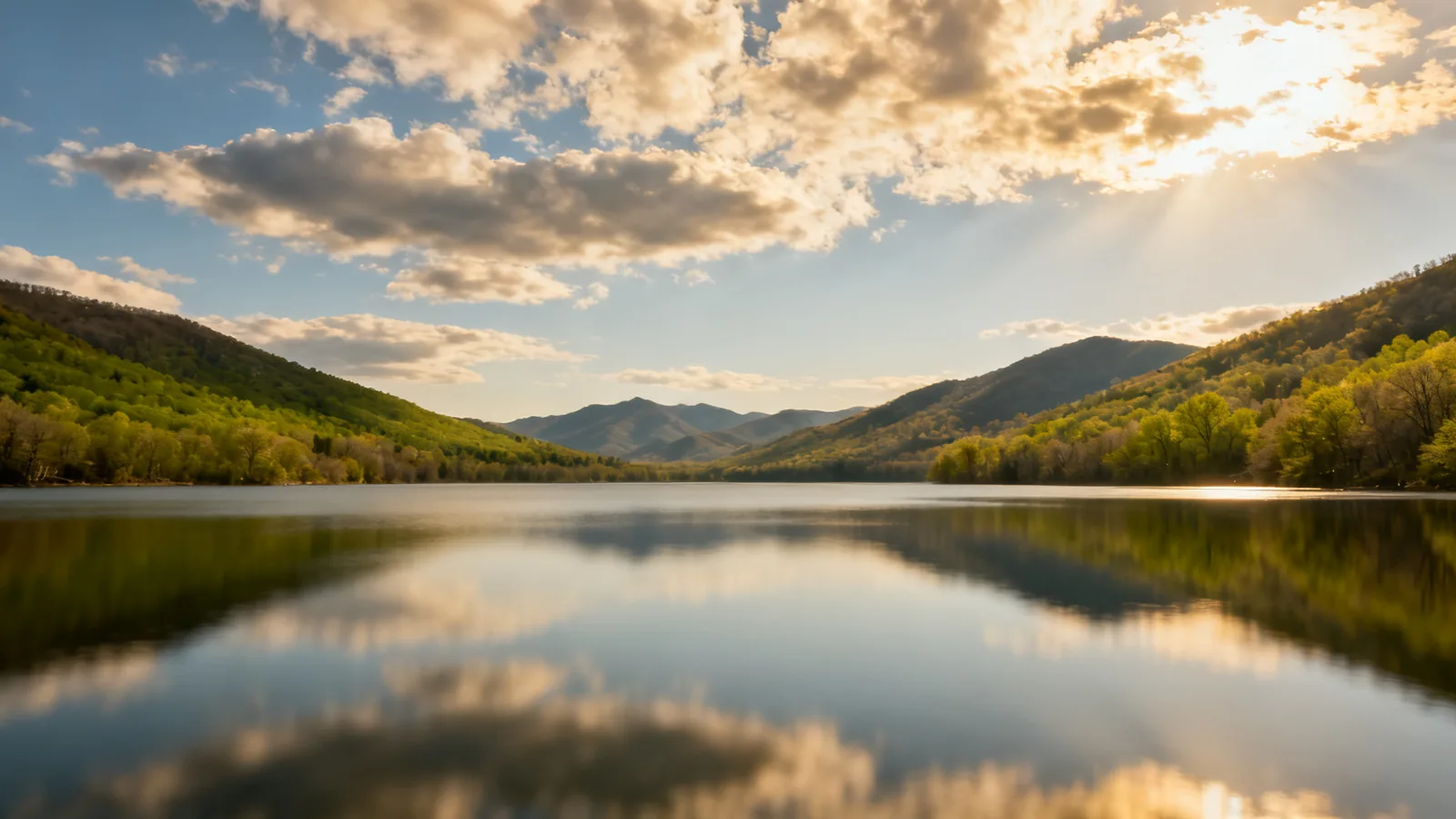
Illustrative scene: sunlight breaking through cloud over a southern mountain lake in spring.
The best time to visit Torres del Paine depends on the route you want. Choose dates only after checking whether the W, the O or your chosen day hike is allowed. More daylight can help with planning, but it cannot promise a dry trail or a clear mountain view.
Choose a summer trip when your priority is the widest choice of trekking plans, after checking the real route and overnight dates. Choose another season for a deliberate reason and with a right fallback. Winter access has special rules. A bed for sale does not prove the linking trail is open. Use the current park notice before committing to flights.
Season comparison
| Season choice | Planning benefit | Trade-off | First check |
|---|---|---|---|
| Summer | More daylight than winter | Weather still affects the walking day | Complete overnight sequence |
| Spring or autumn | A different date range for a flexible visit | Some seasonal services may differ | Actual route and service |
| Winter | A deliberate trip under winter conditions | Special access and guide rules can apply | Current park access and required plans |
Scroll for more →
For the widest choice of ordinary W itineraries, start by comparing November through March. For the O, use its separately confirmed opening and overnight sequence. October 2026 needs a separate check. the official ticket notice keeps the Paine Massif circuit closed until 31 October, with a safety assessment before reopening. An October W departure does not establish an October O departure.
The table uses general park hours from Pases Parques with route-planning advice, checked October 2026. We calculated daylight for the 15th of each month in 2026 at latitude 51 degrees south. We rounded it to the nearest half hour.
We used NOAA's sunrise and sunset equations. It assumes a flat horizon; nearby mountains can delay direct sunshine. It is not a trail-opening window or a forecast of sunshine.
| Month | Approximate daylight | Published general park hours | Route decision |
|---|---|---|---|
| January | 16 hours | 07:00 to 21:00 | Compare full summer W and permitted O sequences |
| February | 14.5 hours | 07:00 to 21:00 | Keep the full descent inside the trail's own cutoff |
| March | 12.5 hours | 07:00 to 21:00 | Check the closing date of every overnight service |
| April | 10.5 hours | 07:00 to 21:00 | Confirm late-season boats and the winter rule transition |
| May | 9 hours | 08:00 to 18:30 | Plan from winter access and accredited-guide rules |
| June | 8 hours | 08:00 to 18:30 | The W was closed in June 2026 under the winter regulation |
| July | 8.5 hours | 08:00 to 18:30 | The July 2026 W closure overrode normal park admission |
| August | 9.5 hours | 08:00 to 18:30 | Match a permitted guided route to limited transport |
| September | 11.5 hours | 08:00 to 18:30 | Check the dated end of winter guide and equipment rules |
| October | 13.5 hours | 07:00 to 21:00 | In 2026 the O remains closed through 31 October |
| November | 15.5 hours | 07:00 to 21:00 | Confirm the O's actual reopening before departure |
| December | 16.5 hours | 07:00 to 21:00 | Long daylight still leaves fixed trail and boat limits |
Scroll for more →
January and February offer a long usable day, but that is not a reason to postpone the start of Base Torres. Its own published entry limit is earlier than the general closing time. Use the daylight to allow a sensible margin, not to extend a walk beyond its rule.
March gives a different balance: less daylight than December, yet it still sits inside Vertice's published November-to-March O season. That supplier season is checked October 2026 and does not guarantee every date is open. Confirm the last overnight date and your final return service together, especially if your trek crosses into April.
April and October need service-by-service planning. A hotel might operate while a specific circuit or ferry has a different season. Las Torres states that its hotel operates October to April. That is a hotel rule rather than permission to walk every route during those months. Choose the actual activity first and then check its supporting services.
W O and day-hike access
Set the route before choosing the month. The O includes the back side of the massif. A day hike can use a smaller part of the park. They should not share one assumed operating season.
Checked October 2026, Pases Parques keeps the Paine Massif circuit closed through 31 October. Reopening depends on a weather and safety review. Do not infer an open O from another part of the park being accessible.
The June 2026 winter regulation closed the W during June and July 2026. It allowed specified winter activities with restrictions and required specialised guides for the permitted W and Base Torres outings. These rules applied to that year. Do not assume they repeat unchanged in 2027.
The rule also closed Paine Grande and Grey stays for work during those two months. Its few winter boats did not follow the summer times. A winter photo does not show whether you can book and use the whole route.
Pases Parques required an accredited guide for Base Torres and the W from 27 April to 15 September 2026. It can extend that rule for winter conditions. CONAF's park homepage then says the guide requirement ends from 16 September, with microcrampons and poles retained. Read both the date and remaining equipment requirement. The end of the guide rule does not remove snow or ice.
For the O, the longer northern circuit creates a separate check. Vertice's 2026/27 Classic O programme publishes departures November to March. The October closure means you must wait for an allowed opening. A seller's planned start is not the park's decision to reopen. Before paying for an early-November trip, ask what happens if that decision is delayed.
Daylight wind and variability
Longer summer days do not remove turnaround rules. A trail can have a latest entry or an earlier limit. Decide the route from the park's rules, your pace and the return link. Avoid walking until sunset.
Cloud can hide the mountain view at any point. Keep a quieter alternative and avoid making every day depend on the same exposed walk. A spare day is useful only if your overnight and transport bookings can also move.
Here, our mid-month daylight result is about 8 hours in June. It rises to 16.5 hours in December. It measures time from sunrise to sunset with a flat horizon.
It does not count twilight as walking time. Hills can still cast shade in the valleys. Keep a headlamp as a backup rather than treating darkness as a planned part of a long descent.
Las Torres' seasonal guide describes spring as September to November and summer as December to March. It lists a spring low/high range of 3 to 15 degrees Celsius, and a summer range of 1 to 23 degrees Celsius. These are the operator's broad ranges, checked October 2026. It does not state which years it used. They are context for packing, not a prediction for your walking day.
That same source describes milder winds in spring than in summer. Use CONAF for the day’s safety decision. It warns that weather can turn fast.
Pack for rain and wind, with warm layers for snow. A pleasant town forecast is not a clearance for a mountain stage. Ask about the route itself before starting.
Pack layers that let you stop without getting cold and walk without overheating. A windproof outer layer addresses a different need from insulation. Keep the items you may need during the walk reachable in your daypack. A dry sleeping bag does little for you if the rain layer is buried beneath it until camp.
Reservation timing
Check all the needed overnight stops as one sequence. One available room does not make the full trek bookable. If the sequence fails, change the route or dates before buying another fixed part of the trip.
Read the park planning guide for the wider choice. Use the El Calafate arrival guide if the dates involve a border crossing.
Choose the right W plan
Compare guide coverage and overnight plans in the W Trek tour choices before choosing a departure.
Check the overnight chain before buying fixed flights. The W can cross the services of Las Torres and Vertice, so one available campsite is only part of the answer. Compare each night's date, tent or bed type and meal arrangement. A sequence that needs an unsuitable long stage to bridge a sold-out night is a different trek.
There is no universal number of months ahead that proves you will secure a place. Live inventory belongs to the supplier. Work with alternative start dates or a different direction when the actual route permits them. Keep both alternatives complete; do not hold the first and last nights and assume the middle will appear.
When comparing guided and self-guided plans, ask whether the date also establishes the guide's presence. Some products arrange transport and nights while leaving the walking independent. If a seasonal rule requires an accredited guide, a booking-help service does not satisfy that requirement by itself.
Choose dates and fallback days
A flexible day-hike stay can use a spare day to swap outings, provided transport and any guide can move. A continuous trek is harder to shift one day at a time because the next bed is fixed. Choose the kind of flexibility you need before paying for non-changeable services. A reserve day at the end of the holiday cannot move tonight's trail booking.
For an early-season trip, decide what you would do if the intended route remains restricted. A W stay and a scenic park outing are possible alternative trip structures, but they need their own bookings and current access checks. They do not replace an O booking on their own. Ask the seller for the actual amendment or refund terms.
For a late-season trip, start from the final service you must catch. Then work backwards through the last overnight, walking stage and ferry. If the only plan requires every part to run perfectly, allow another night or choose a shorter route. It is better to remove a difficult connection while planning than to discover it after the last boat has left.
Current notices and forecasts
Check the issue date inside a park report. The official daily-status link was still displaying an April 2026 report when checked in October 2026. Its table is useful background but cannot prove October access. Use the current specific notice and ask the park about any gap between those records.
Recheck seasonal services with their own operator as departure approaches. The catamaran's Spanish and English timetable text differed when checked, so a saved summer chart alone is insufficient. Use your confirmed ticket time and ask the provider to resolve any conflict. The walking plan should follow that answer, rather than choosing whichever language gives the easiest connection.
Once at the park, follow the ranger's instruction over an older screenshot. Take the route offline and make sure the person arranging your exit knows the agreed finish. CONAF warns that interior trails have no mobile or internet signal. You may not be able to negotiate a later pickup from the valley.
Questions and next planning step
Is summer a guarantee of good hiking weather?
No. Summer gives more daylight than winter, but weather still governs trail conditions and views. Check the current park rule before walking. Keep an alternative that does not depend on the same route. Confirm whether booked services can move if you want to use a reserve day.
Can I book the O whenever the park is open?
No. The park and an individual circuit are different access questions. The O uses a route with its own rules. Check the current dated notice and the complete overnight sequence. A park ticket or one campsite booking cannot prove that every linking stage is allowed on your dates.
Does winter always need a guide?
Use the current park rule for your route and date. The authority publishes winter rules, and the ticket portal links winter guidance. Do not copy a rule from another season or assume it ends on a date without checking whether the conditions that required it still apply.
Should I reserve a weather day?
It can help a flexible day-hike stay. On a fixed overnight trek, ask how moving a walk affects the next bed and transport. A free calendar day does not automatically let you shift a circuit. Build the reserve around services that can change under their terms.
Sources and facts last checked
Checked October 2026: CONAF visitor advice and official park ticket details. Recheck access for your real date.
Verdict on the best time to visit Torres del Paine
Choose the best time to visit Torres del Paine from the allowed route and a complete booking sequence. Treat the season as a planning choice, then use current notices to settle the real walk.